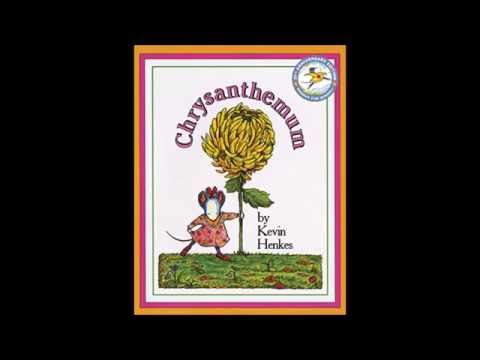
Chrysanthemum Book Activities and Lesson Plans for Kindergarten!
Looking for Chrysanthemum book activities that fit a kindergarten classroom and align with the Science of Reading? You’re in the right place. Chrysanthemum by Kevin Henkes is one of the best back-to-school read alouds for teaching kindness, character traits! AND because every child’s name matters, the book works great for letter and name recognition.
In this post you’ll find classroom-tested activities I use with my own students: a name-spelling flower craft, a character-traits study, a mentor sentence for grammar, and vocabulary practice.
Best of all, you can grab my free editable lesson plan template to map it all out in minutes.
What Is Chrysanthemum About?
Chrysanthemum loves her name, until she starts school and classmates tease her for being named after a flower and for having such a long name. When Mrs. Twinkle, the beloved music teacher, reveals that she is also named after a flower, the other children suddenly wish they had names as special as Chrysanthemum’s. It’s a warm, reassuring story about identity, kindness, and learning to love what makes you unique, which is exactly why it’s a perfect first-week-of-school read aloud.
Why Read Chrysanthemum in Kindergarten?
Chrysanthemum hits several kindergarten targets at once: it opens conversations about kindness and bullying during those crucial first weeks, it celebrates every child’s name (a built-in literacy hook for letter and name recognition), and it offers rich vocabulary and clear character change for comprehension work. That combination of social-emotional learning and Science of Reading skills is why it earns a spot in my back-to-school plans every year.
Chrysanthemum comprehension questions & writing prompts
Chrysanthemum is one of our favorite books in our reading comprehension lesson plans. As you know, we take a great book and spend five days reading and exploring the deeper meaning of the book.
Younger children have the opportunity to strengthen their literacy skills through thoughtful questioning and classroom discussions. We love how relatable the character is.
Making predictions prompt
After reading a portion of the text, you will story at: Chrysanthemum thought her name was absolutely perfect. And then she started school.
I then have my students turn to their partners ask them:
What do you think might happen when she gets to school?
Ask students to make a prediction about what will happen next in the story.
Can you use Chrysanthemum for sequencing pictures?
Students work to put the pictures in sequential order. They then use the pictures as a support as they practice retelling the story.
How is Chrysanthemum like other characters in Kevin Henkes books?
Students will compare the story elements and events that take place between Chrysanthemum and Lilly’s Purple Plastic Purse.
Think about Chrysanthemum and Lilly. Compare and contrast how the stories are alike and how they are different.
Here are the graphic organizers we create for one of the comprehension lessons. Students use this Venn diagram to compare the characters in these two Kevin Henkes books: Lilly’s Purple Plastic Purse and Chrysanthemum.
Chrysanthemum | Lilly’s Purple Plastic Purse | |
|---|---|---|
Main character | Chrysanthemum (a mouse) | Lilly (a mouse) |
Central problem | Teased about her name | Disrupts class, gets her purse taken away |
Big feeling | Embarrassment, then pride | Anger, then remorse |
Lesson learned | Loving what makes you unique | Patience and saying sorry |
Best taught for | Names, kindness, first week | Self-regulation, apologizing |
This is how we set up our comparison anchor chart. Then we complete the charts together.
Here are a few of the student response pages for this activity.
You can see these kindergarten students made their meaning known through their illustrations. It is important to remember that the power of these activities are in the discussions that take place during the interactive read-aloud. Students work with their reading partners as they dig deeper into the details and meaning of the story Chrysanthemum.
How can you use Chrysanthemum as a character study?
In this activity, we look at Chrysanthemum’s character traits at the beginning of the story and the end of the story. We add this to a large chart paper so all students can participate. Then display the character trait chart on the bulletin board so students can refer back to it as needed.
Can you use Chrysanthemum for opinion writing?
This prompt would be a great time to talk about the effects of peer pressure. Additionally, you could role play how to respond to peers if they heard someone saying unkind words about another person or classmate. [Adults would benefit from this lesson.]
Do you think it was okay for the other students to make fun of Chrysanthemum’s name?
Here are a few first-grade reading comprehension response samples from the inferring and opinion writing activities. We actually have response pages that are appropriate for kindergarten, first grade or second grade students so you can easily differentiate your instruction.
What are some of the vocabulary words found in Chrysanthemum?
Chrysanthemum has so many great tier two vocabulary words to chose from, but these are the ones we used:
dreadful and wilt
We are explicit in our lessons on how to teach vocabulary as part of our interactive read aloud lessons.
Chrysanthemum Book Video
Each day students will return to Kevin Henkes’ book for the lessons. However, it is also a good idea to include a video recording of your read-aloud. This is an easy way to provide a different fluency model for your students (and a wonderful way to give your voice a little siesta!)

Chrysanthemum Craft and Sentence Study
Students also complete this Chrysanthemum fun craft as part of their sentence study. We revisit a new mentor sentence every week; it is a great way to reinforce grammar, writing conventions, and concepts of print. Students could even add individual letters to the stem of the flower to spell their name.
As I previously mentioned, at the beginning of the year, most of the classroom conversation centers around concepts about print (what are letters, words, spaces, and punctuation…). You could also count the letters in each word.
More Kevin Henkes author study read-alouds
Chrysanthemum is just the beginning. Kevin Henkes has written a whole family of mouse characters who are perfect for kindergarten and first grade, each one pairs a relatable social-emotional theme with rich vocabulary and clear character change, which makes them ideal for an author study. If your students fell in love with Chrysanthemum, here are three more read-alouds (with free lesson plans) to keep the unit going:
- Lilly’s Purple Plastic Purse lesson plans — A natural follow-up to Chrysanthemum (and the book I compared it to in this post!). Lilly learns about patience, self-regulation, and saying sorry when her excitement gets her in trouble at school. (You will find a full free week of made-for-you-lesson plans in that blog post.)
- Sheila Rae the Brave lesson plans — A wonderful read-aloud for talking about courage, fear, and sibling relationships. Great for character traits and making connections, plus a confidence-building message your students will relate to.
- Wemberly Worried lesson plans — Another perfect back-to-school pick for easing first-week jitters. Wemberly worries about everything until she makes a friend. It is ideal for SEL discussions about anxiety and big feelings.
Teaching all three alongside Chrysanthemum makes for an easy, engaging Kevin Henkes author study your students will remember all year. Want to compare characters across the books? Use the same Venn diagram and character-traits charts from this post.
Want the done-for-you version? Our Chrysanthemum Read-Aloud Comprehension Lessons, Activities & Craft pack includes five days of plans, the name-flower craft, mentor sentences, and differentiated K–2 response pages, everything in this post, print-and-go.
Free Chrysanthemum Lesson Plan Name Activity
When you scroll to the end of this blog post, you will find a free download for this name activity.
Young students will each create a page in this name class book. Each page will contain a child’s name. Then students will count the number of letters in their name and practice one-to-one correspondence. This is a fun way for elementary students to see how their name looks.
Color centers for the first week of school
Here are few more of the color centers from this week.
You can find these color centers by clicking:
Chrysanthemum Activities for Your Classroom
Chrysanthemum by Kevin Henkes is one of those books I come back to every single year, and for good reason. It’s relatable, it’s sweet, and it opens the door to so many conversations during those first weeks of school when you’re building your classroom community.
What I love is how much you can do with one little book. Between the name-spelling flower craft, the character traits study, the mentor sentence work, and our compare-and-contrast with Lilly’s Purple Plastic Purse, your students are practicing real literacy and Science of Reading skills without even realizing it — they’re just having fun celebrating their names and digging into the story.
And don’t underestimate the read-aloud itself. Some of the best learning happens in the discussion: stopping to make predictions, talking about how Chrysanthemum is feeling, and letting your students connect to the characters in their own way. That’s where the magic is.
Grab the free name activity and editable lesson plan template below, and you’ll be ready to go. Happy teaching!
Grab your free editable Chrysanthemum lesson plan template
Click on the image below and you can download this editable lesson plan template. Use it to map your whole week of name, kindness, and comprehension activities in minutes.
Free Name Activity
Simply add your email to the box below to start downloading this file. Chrysanthemum Lesson Plans for Kindergarten! This back to school book is great for the beginning of the year. I added a free name activity that your students will love! Math and literacy center ideas are also included in this blog post.
4 Responses
Love Kevin Henkes! Thanks for the freebie! A question for you Deedee- When do you do explicit phonics instruction? I have your Guiding Readers Bundle and know that it is in that program. But as I am looking at your Peek at My Week plans I am wondering if you do the phonics during the Reading/Interactive writing block? Just trying to pack in all your wonderful programs into my schedule! I don’t want to leave any of it out!!
Such great materials! Thanks for sharing!
I like your little stories like this, it gives a positive energy. Keep sharing more in the future!
Thank you!